
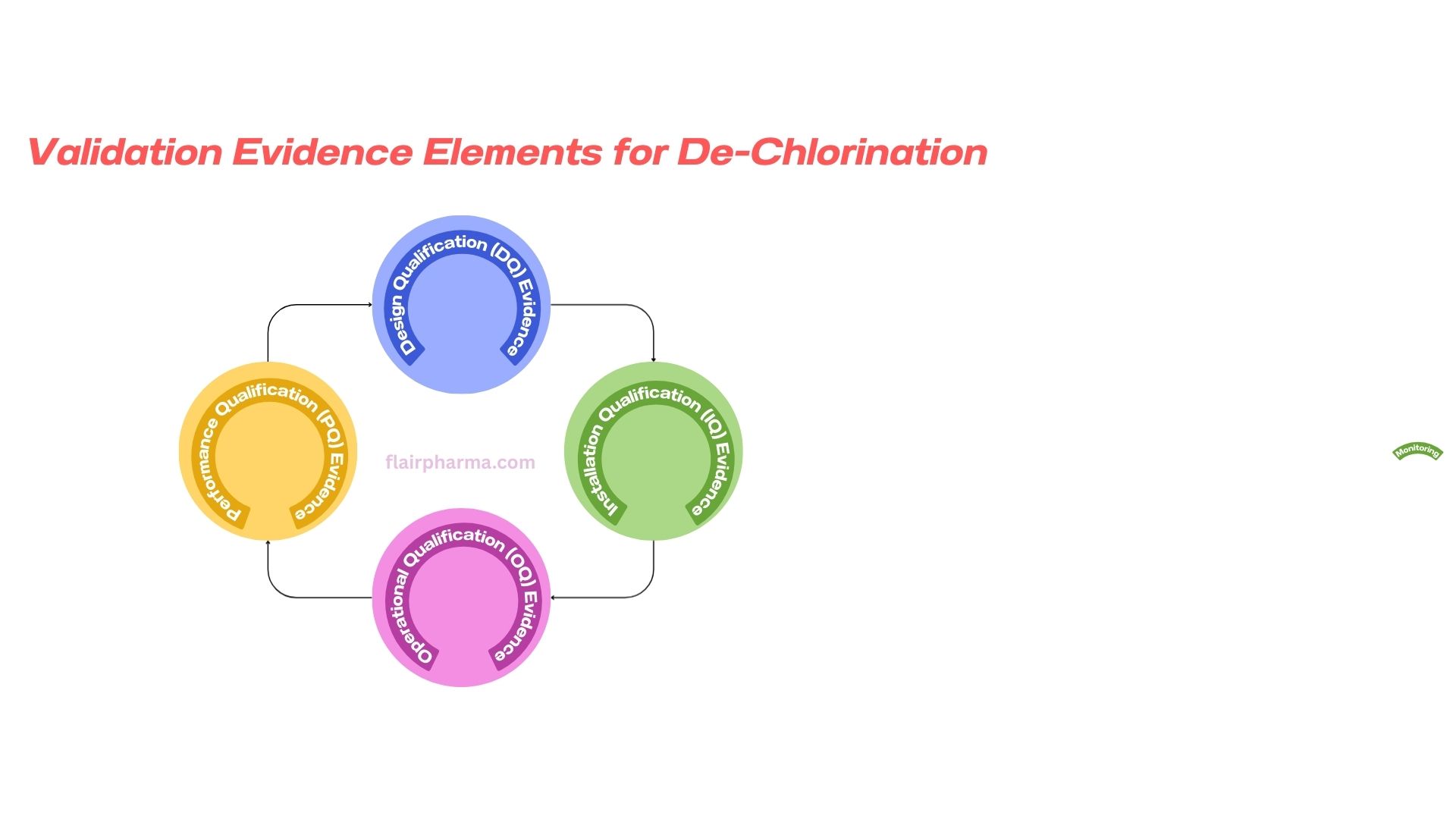
#1. De-chlorination is validated in pharmaceutical water systems mainly because chlorine:
#2. From a GMP risk perspective, failure of de-chlorination is classified as:
#3. Validation evidence for de-chlorination must demonstrate control primarily over:
#4. Which design parameter provides the strongest scientific basis for chlorine removal validation?
#5. The purpose of lead–lag carbon filters is to:
#6. EBCT calculations alone are insufficient because:
#7. Chlorine challenge testing is most appropriately performed during:
#8. A typical validated acceptance limit for outlet chlorine is:
#9. Performance Qualification (PQ) for de-chlorination mainly demonstrates:
#10. Which monitoring approach is acceptable when justified by risk assessment?
#11. Trending of outlet chlorine data is primarily used to:
#12. Chlorine monitoring data must comply with:
#13. Which document formally justifies carbon replacement frequency?
#14. A single outlet chlorine excursion slightly above limit should be handled as:
#15. Change of carbon grade requires which GMP action?
#16. An inspector questions why de-chlorination is validated when it does not directly contact product. The best response is:
#17. Increased microbial counts downstream of carbon beds most strongly indicate:
#18. Worst-case inlet chlorine challenge is expected to demonstrate:
#19. Validation evidence is considered incomplete when:
#20. Regulators conclude de-chlorination remains validated when control is shown through:


